Diffused vs. Opaque: Choosing the Right Shade for Your SpaceAugust 2026
When selecting decorative lighting, shape, scale, and color are only part of the equation. The material you choose for the shade can have just as much impact on the finished fixture and the atmosphere it creates within a space.
With Lumetta’s Lumenate® shade materials, designers can choose between diffused and opaque options to achieve distinctly different aesthetics. Understanding how each interacts with light can help you select the right solution for your design intent.
What’s the Difference?
The biggest difference between diffused and opaque Lumenate® is how light interacts with the shade itself.
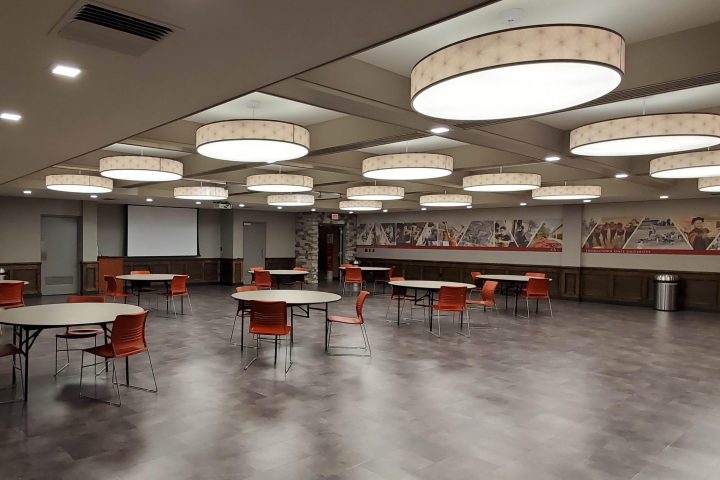
Diffused Lumenate® allows light to pass through the shade material. When illuminated, the shade takes on a soft glow, allowing the shade itself to become part of the lighting effect.
The result is a luminous appearance that can add another layer of ambient light and visual interest to an interior.
Many Lumetta fixtures feature diffused shades, but the effect can vary significantly from one product or collection to another. Collections such as Shadow, Echo, and Drum each present diffused Lumenate® in their own way, while diffuser selections with varying levels of light transmission can further shape the appearance of the fixture. Depending on the material selected, light transmission can range from approximately 5 to 6% to more than 90%, giving designers greater control over the balance of glow, color, pattern, and illumination.
Opaque Lumenate® does not allow the light source to illuminate through the shade material. Instead, the shade maintains its color and appearance when the fixture is illuminated, while light is delivered through the top and/or bottom lens. This creates a more defined visual presence and allows the color, pattern, and form of the fixture to take center stage.
One Fixture, Two Different Experiences
Choosing between diffused and opaque isn’t about one being better than the other. It’s about determining what you want the fixture to do within the space.
Do you want the shade itself to illuminate and become part of the lighting effect? A diffused material may be the better choice.
Do you want the shade’s color, pattern, and material to remain visually defined when the fixture is illuminated? An opaque option may better support that vision.
Even similar fixture forms can take on noticeably different characteristics depending on the material selected. This gives designers another way to tailor decorative lighting to the surrounding architecture, interior, and overall design intent.
Designed Around the Application
The right choice also depends on the needs and atmosphere of the environment.
In hospitality spaces, diffused shades can help create a warm, inviting visual experience, while opaque materials can introduce bold color or pattern as part of the interior design.
In healthcare and senior living environments, diffused and opaque materials offer designers different ways to balance visual comfort with the desired character of patient rooms, common areas, corridors, and gathering spaces.
For workplace an education projects, decorative lighting can help define collaborative areas, lounges, cafés, libraries, and other shared environments. Choosing between an illuminated shade and a more defined opaque finish gives designers greater control over how the fixture contributes to the overall space.
These aren’t hard and fast rules. Every project has its own aesthetic, performance requirements, and design story. Having options gives designers the freedom to select the right solution for each space.
More Ways to Make It Yours
Diffused or opaque is only the beginning.
Lumetta offers an extensive selection of colors, patterns, finishes, and customization possibilities, allowing designers to create a fixture that feels specific to their project.
Need something beyond the standard offering? Custom colors, patterns, graphics, sizes, and other modifications can help turn a lighting concept into a solution designed specifically for the space.
With no minimum order quantities, customization isn’t reserved for projects requiring hundreds of fixtures. Whether you need one custom luminaire or an entire installation, the possibilities remain open.
Which Will You Choose?
Diffused for an illuminated glow. Opaque for a more defined statement. Or something completely custom.
The right shade can transform how a fixture looks, how it interacts with its surroundings, and ultimately, how a space feels.
Explore our Lumenate® options and discover what’s possible for your next project.